
Consumer interest
Sophus3 follows the journey from digital research to sale, including search activity, automotive website behaviour and vehicle registrations, to compare appetite for EV and ICE vehicles.
The Sophus3 EV Index provides an objective measure of the conditions that enable, or hold back, mainstream EV adoption. It combines consumer interest, affordability and choice, and public charging infrastructure into one market view.
Compare overall EV readiness in Germany, France and the UK. These are published index scores for Q1 and Q2 2026, not a live feed or a sales forecast.
Index points: 100 represents parity with conventionally fuelled vehicles. Scores may exceed 100. The chart uses a 0-100 scale for these selected observations.
| Market | Q1 2026 | Q2 2026 | Change |
|---|---|---|---|
| Germany | 68 | 76 | +8 points |
| France | 64 | 70 | +6 points |
| UK | 59 | 67 | +8 points |
Source: Sophus3, 12 August 2026. This extract covers three of the six markets in the original publication. Read the full report for market commentary and the individual interest, affordability and infrastructure pillars.
A score of 100 represents parity between electric and conventionally fuelled vehicles in the conditions Sophus3 measures. Showing each pillar separately makes it easier to see where a market is advancing, and where a single weakness could slow progress.
Sophus3 follows the journey from digital research to sale, including search activity, automotive website behaviour and vehicle registrations, to compare appetite for EV and ICE vehicles.
The Index compares the number of EV and ICE models on offer and the pricing of equivalent vehicles, including relevant purchase incentives where applicable.
Public charging availability is compared with conventional refuelling provision and weighted against both the current BEV fleet and the wider passenger-car parc.
The EV Index is designed to help manufacturers, marketers, industry bodies and policy stakeholders separate headline sales numbers from the underlying conditions shaping demand.

Explore Sophus3's published EV Index commentary and market analysis already migrated into this standalone site.
 EV Index
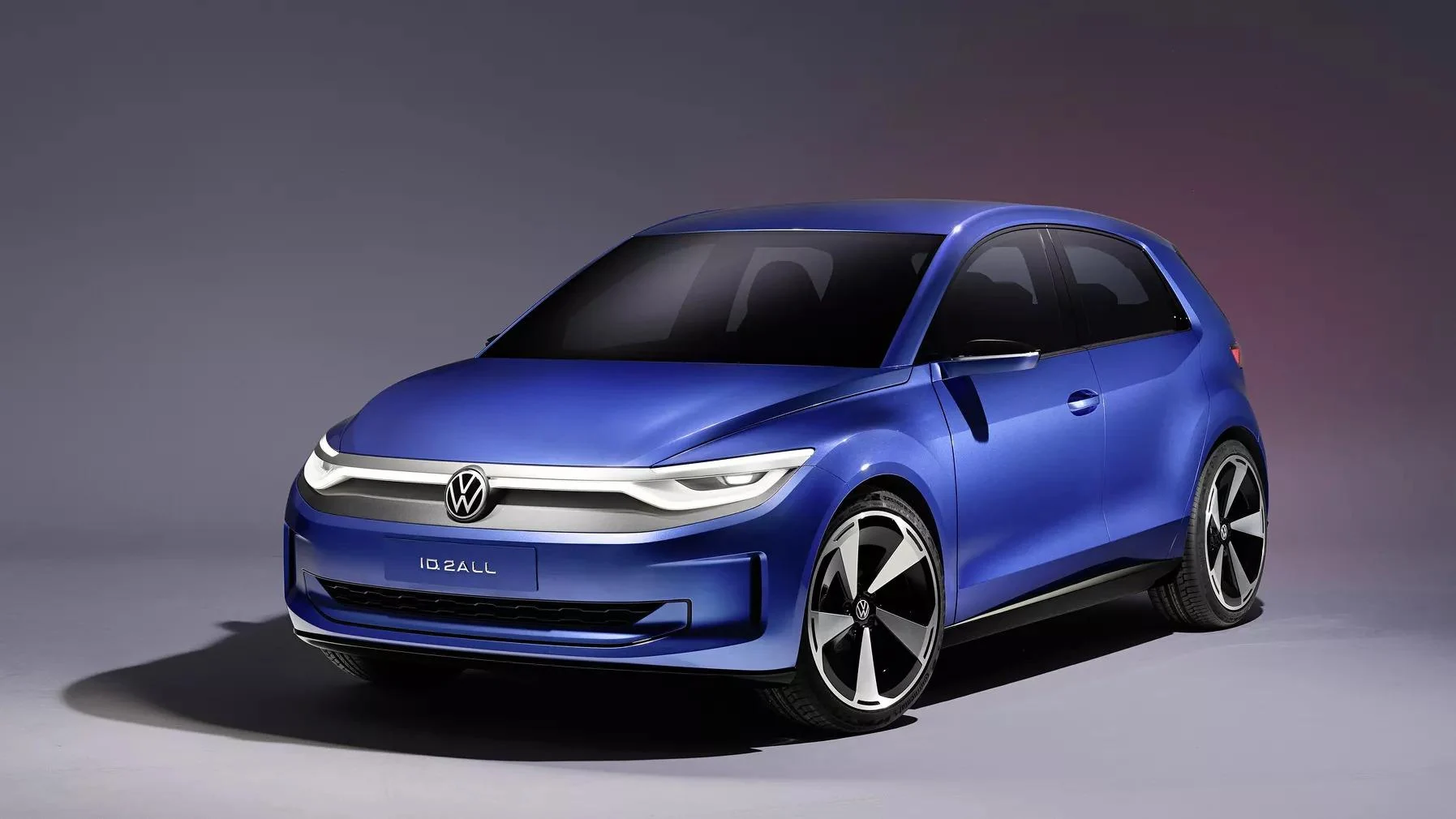
Q2 2026 brought stronger EV research across the EU5. Germany led the rise in consumer interest, while affordability remained a crucial test.
 EV Index
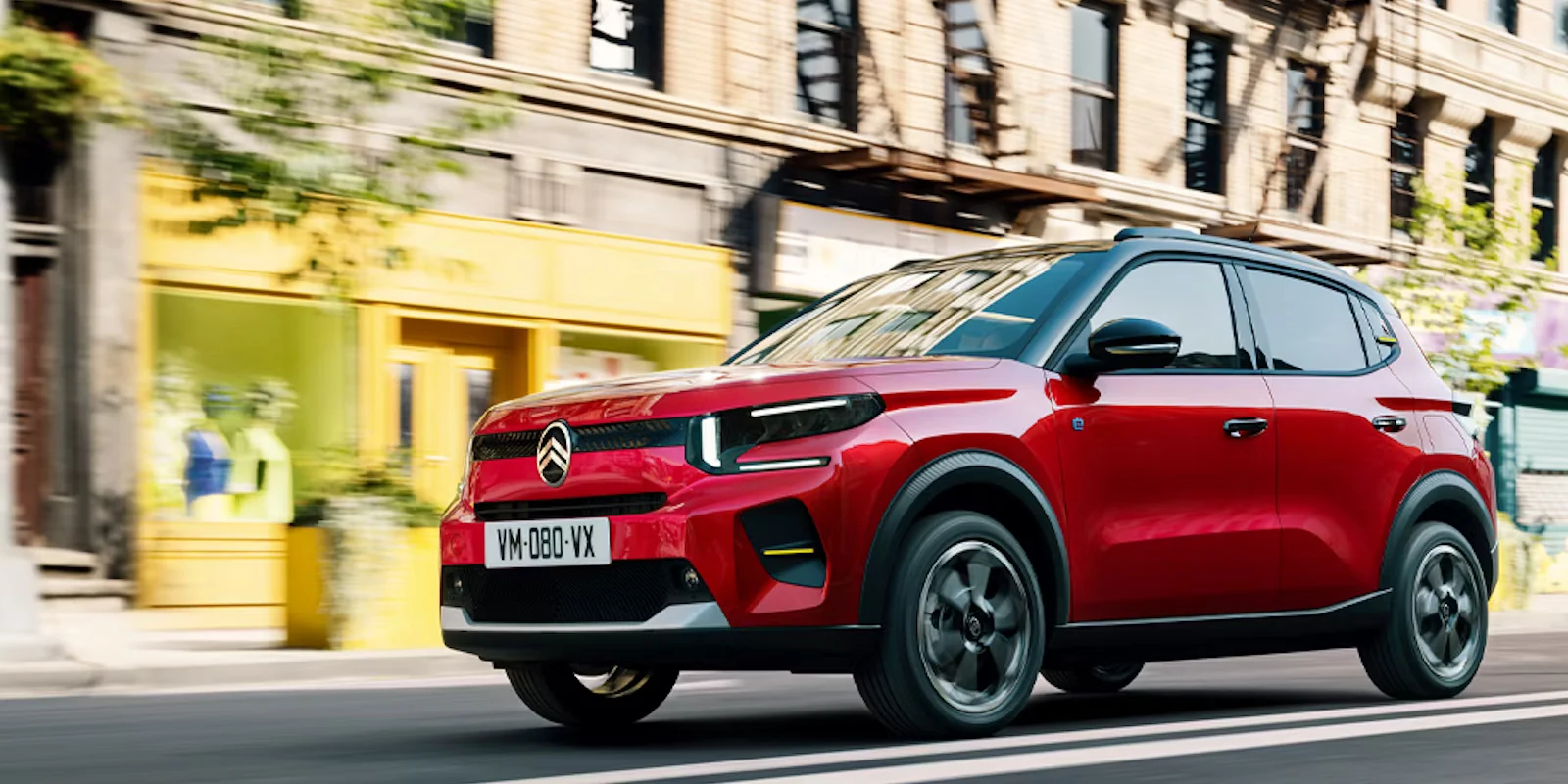
Germany, France and the UK improved as more buyers researched electric vehicles. Affordability still separates interest from readiness.
 EV Index
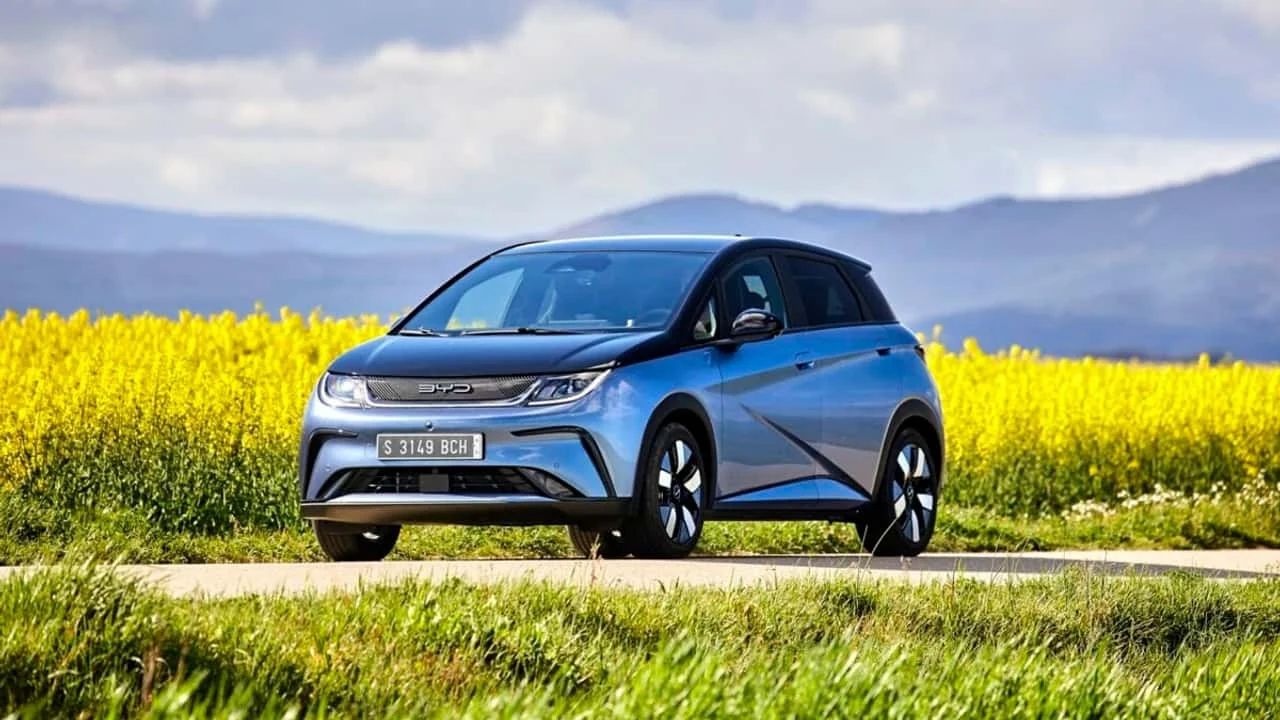
Our spring EV Index analysis shows why stronger interest and better charging do not automatically make electric cars affordable.
 EV Index
March’s rise in electric-car research coincided with higher petrol and diesel prices across Europe.
EV IndexThe Q4 2025 Sophus3 EV Index recorded stronger consumer interest across several European markets, even as affordability remained uneven.
 EV Index
The UK moved ahead of Germany and France in the Sophus3 EV Index as consumer interest strengthened, while infrastructure and the used-EV market remained important constraints.
Clear definitions of the data, method, outputs and business problems each service is designed to address.
The Sophus3 EV Index is an evidence framework for comparing electric-vehicle market readiness. It brings together factors that influence adoption, such as consumer demand, vehicle choice, affordability and charging infrastructure, to provide more context than a registration ranking alone.
Relevant factors include digital consumer interest, the range of available models, pricing and affordability, incentives, charging provision and the wider market environment. The weight and interpretation of each factor should reflect the commercial question and the period being assessed.
Registrations describe vehicles already sold, while a readiness view examines the conditions that may enable or constrain future adoption. Comparing demand and market conditions with sales can reveal where interest is ahead of supply, affordability or infrastructure.
Teams can use it to compare markets, prioritise further analysis, challenge launch assumptions, contextualise EV performance and support planning conversations. It is most useful as a decision input alongside brand, model, competitor and first-party evidence.
Talk to Sophus3 about eDataXchange, automotive analytics, media measurement, AI visibility or market entry.